If you know someone you think is depressed, there are ways you can help. Keep in mind that even though depression is a serious illness, with help, a depressed person can feel better. It's important to remember that, just like diabetes or heart disease, depression is an illness. A person can't just "snap out of it."
Encourage treatment
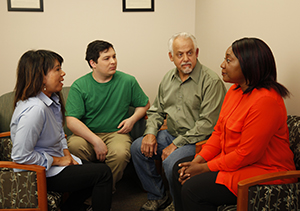
Depression is a very treatable illness. Medicine, counseling, and self-help methods can help a depressed person feel better and get back to a normal life. The first step is to visit a doctor or mental health professional for an evaluation. If you can, go to the evaluation to offer support and help answer the doctor’s questions. If the depressed person is reluctant to get help, call the doctor yourself and ask for advice.
If the depressed person expresses suicidal thoughts, take the comments seriously. Help the person get care.
If you are concerned that they are in immediate danger of hurting themselves or others, get help now. Call or text
When you call or text
Be supportive
Here are some other ways you can help:
-
Encourage them to talk. Talking about their feelings often helps depressed people feel better.
-
Listen. It's more important than giving advice. Never tell a depressed person they should be grateful for what they have and need to just "snap out of it."
-
Realize that the person is in pain. Try to be understanding and patient.
-
Don’t criticize or be negative. Never blame anyone. Depression is no one’s fault.
-
Encourage the person to join in enjoyable activities. Invite the person out for movies or walks. But realize that they may not be able to cope with too many activities at once.
-
Help them remember to take their prescribed medicines.
-
Encourage a regular routine for meals, exercise, personal care, and sleep.
-
Don't ignore or discount comments about self-harm or suicide. Ask what the person is thinking about doing and if they have the means (such as a gun or medicines) to hurt themselves. Get immediate help if they are at risk. Asking a person if they are thinking about suicide does not cause them to self-harm.
-
Be patient. Appreciate progress, even if slow.
Take time out
Don’t feel guilty about spending time away from the person. Here are some things to keep in mind:
-
Don’t let the depressed person take over all of your time. Spend time alone or with other family members and friends.
-
Keep a positive attitude. Don’t be influenced by the person’s negative thinking.
-
If your advice or help isn’t accepted, understand that sometimes the person just needs someone to listen and not give advice.
-
Consider joining a support or therapy group. Counseling can often help family and friends better cope with a loved one’s depression. Children, in particular, may benefit from counseling.
-
Don’t feel responsible for solving the problem yourself. You can’t. Do what you can, and feel good about your efforts.