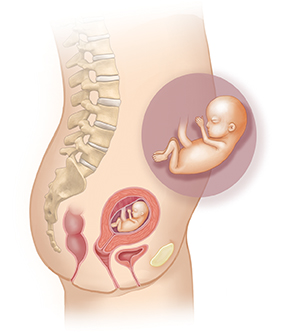
The first trimester is a time of rapid development for your baby. Because your baby is growing so quickly, it is important that you start a healthy lifestyle right away. By the end of the first trimester, your baby has formed all of its major body organs and weighs just over an ounce.
Month 1 (weeks 1 to 4)
The placenta (the organ that nourishes your baby) begins to form. The brain, spinal cord, heart, gastrointestinal tract, and lungs begin to develop. Your baby is about ¼ inch long by the end of the first month.
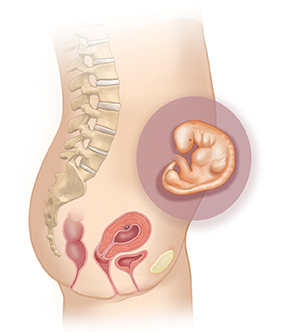
Month 2 (weeks 5 to 8)
All of your baby’s major body organs form. The face, fingers, toes, ears, and eyes appear. By the end of the month, your baby is about 1 inch long.
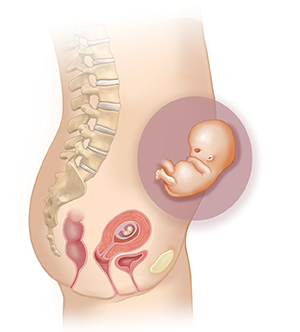
Month 3 (weeks 9 to 12)
Your baby can open and close its fists and mouth. The sexual organs begin to form. As the first trimester ends, your baby is about 3 inches long.

OB/GYN
Find a DoctorRelated Articles
Bleeding During Early Pregnancy
Bleeding early in pregnancy isn't uncommon. In most cases, nothing is wrong. Still, it's a good idea to let your provider know if it happens.
Established Pregnancy, Normal Symptoms
You are pregnant and are having symptoms that worry you. During pregnancy, it's normal to have many kinds of symptoms. Here is a list of common symptoms that happen during pregnancy.
Ectopic Pregnancy
With an ectopic pregnancy, the growing egg in the fallopian tube can cause the tube to burst (rupture). This can lead to severe bleeding if it is not found early and treated.
Recognizing Labor
You'll start to feel strong contractions. That's when the muscles of your uterus tighten up to help push your baby out during birth.