You and your care team will assess how well you can care for yourself at home. You may need friends, family, or a home health aide to help with chores and errands. Your occupational or physical therapist will teach you the skills needed for daily living with your new knee.
Home safe home
Is your home as safe as it should be? Or, are there potential hazards, like rugs and cords, ready to trip you up? Make sure your home is safe and free of hazards before you return. Ask friends or family to help you rearrange rooms as needed. Tips:
-
Remove throw rugs to prevent slipping or tripping on them.
-
Move electrical cords out of the way.
-
Remove any clutter from the floor, such as books or shoes.
-
Install a rail along one side of staircases.
-
Place items used regularly in cabinets that can be reached without using a step stool.
Bathroom safety
You may need to adjust your bathroom to make it safer and easier to use. Your occupational therapist can help you choose the right equipment for your bathroom. They will also teach you to bathe, dress, and sit more easily in the bathroom.
Tips:
-
Use a long-handled sponge to wash hard-to-reach areas.
-
Use a rubber-backed bath mat to help keep the floor dry and prevent slipping.
-
Sit on a shower chair while you bathe.
-
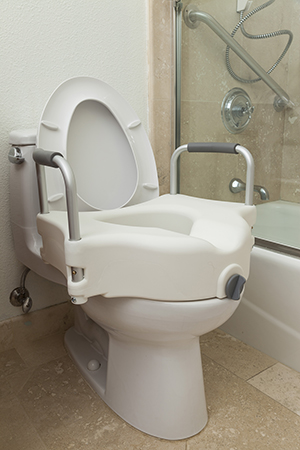
Use commode chair or elevated toilet seat if your health care provider advises you to. This device raises the height of your toilet.
Managing pain at home
You may be prescribed pain medicine to use at home. With pain under control, you’ll get back to an active life sooner. Use pain medicine only as directed. Take each dose as prescribed, before pain becomes severe. For the first few days after surgery, it is important to take your pain medicine on a regular schedule as prescribed. Don’t hesitate to take medicine when you need it. Wait about

Orthopedics CTA
Find a DoctorRelated Articles
Understanding Leg Amputation: Surgery After Injury
Amputation is a surgery to remove part or all of your leg. It's done because tissue in the leg is damaged and can't be healed. Read on to learn about the procedure, and what to expect afterward.
Using a Walker After Amputation
Learn how to use a walker after lower limb amputation.
After Knee Replacement: Keeping Your Knee Healthy
You can keep your knee healthy by knowing the right moves and staying away from the wrong ones. Some activities may be permanently restricted.
After Knee Replacement: Managing Pain at Home
After knee replacement surgery, it's important to use pain medicine as directed to get back to an active life as soon as possible.