Dismiss Modal

Types

What Is Cardiac Asthma?
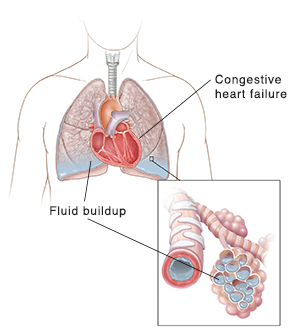
Fluid buildup in the lower part of the lungs and alveoli as a result of congestive heart failture.

Cardiac asthma is caused by the backup of fluid in the left side of the heart. This may happen if your heart pumps weakly or you have a leaky valve. Or it may happen if you were born with a heart problem. Cardiac asthma is a sign of congestive heart failure.
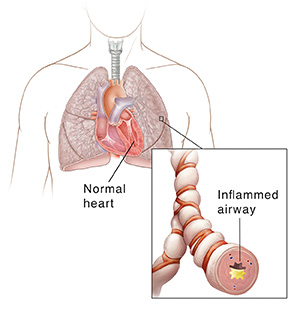
In the lungs, inflammation of the airway causes bronchiole asthma.

Cardiac asthma is not the same as bronchial asthma. But it causes similar symptoms such as wheezing, coughing, and shortness of breath. Bronchial asthma is triggered by allergies, pollutants, exercise, stress, or lung disease. The small airways in the lungs become irritated and inflamed.

Treatments for bronchial asthma and cardiac asthma are very different. Bronchial asthma is treated with oral or inhaled medicines that open the airways. Treatments for cardiac asthma depend on the cause. They may include heart medicines to control blood pressure and remove excess fluid. Treatment also may include proper diet and modified daily activities. If the cause is a leaky valve or congenital heart defect, surgery may be needed.

Author: Burgo, Kate

Online Medical Reviewer: Rita Sather RN

Online Medical Reviewer: Terri Koson DNP RN ACNP

Online Medical Reviewer: Vinita Wadhawan Researcher

Date Last Reviewed: 02/01/2025

Copyright Health Ink & Vitality Communications


Related Articles
Read article
Heart Health
Emotional and Family Issues in Children With Heart Disease

A detailed look at the way children may feel about having congenital heart disease, plus some tips for helping them cope.

Read article
Heart Health
Heart Valve Problems

Valve disease occurs when a valve doesn't open or close the way it should. If a valve doesn't open all the way, the heart has to push blood through a smaller opening. If the valve doesn't close tightly, some blood will leak backward.

Read article
Heart Health
Unstable Angina

There are 2 types of angina, stable and unstable. Stable angina occurs at certain times and can often be managed. Unstable angina occurs at uncertain times. It may not get better with the usual forms of treatment for angina. It is a warning that a heart attack (acute myocardial infarction) is possible in the near future.

Read article
Heart Health
Understanding Venous Thromboembolism

Venous thromboembolism is when a blood clot forms in a vein. The term refers to two linked conditions: deep vein thrombosis (DVT) and pulmonary embolism.